A vehicle can look affordable overseas and still cost much more by the time it reaches Zimbabwe. Freight, insurance, port charges, customs valuation, taxes, clearance and registration all affect the final amount.
Eligibility comes first. If the vehicle falls outside the current rules, a low purchase price will not rescue the transaction. This guide explains whether a vehicle can enter Zimbabwe, how ZIMRA assesses it, which documents you need and when pre-clearance should happen.
It explains the calculation structure rather than promising an exact clearance quote. For the latest position, check Zimbabwe's vehicle import rules and confirm the final assessment with ZIMRA or a registered clearing agent.
Quick Answer
- In 2026, private buyers must check the exact manufacture date against the 10-year threshold (ZIMRA, “Importation of Motor Vehicles by Private Individuals”, 2026).
- Vehicles more than five years old may attract surtax treatment, even when they remain within the separate 10-year eligibility rule (ZIMRA, “Calculation of Duty on Importation of Private Motor Vehicles”, 2026).
- VDP is the customs value used as the starting point for assessment, so the overseas invoice is not the whole valuation (ZIMRA, “Importation of Motor Vehicles by Private Individuals”, 2026).
- Sea freight, inland transport, border processing and clearance can take several weeks, depending on the route and paperwork.
Before comparing vehicles, keep these stages separate:
| Stage |
Main question |
| Eligibility |
Can this vehicle legally enter Zimbabwe? |
| Valuation |
What value will ZIMRA assess? |
| Transport |
How will it travel through Durban? |
| Clearance |
Which taxes and documents apply? |
| Registration |
What must happen after customs release? |
Which vehicles can you import into Zimbabwe in 2026?
In 2026, ZIMRA says used vehicles aged 10 years or more from their manufacture date cannot be imported for private use under the standard rule. Older vehicles may require an import licence or a published exception, so confirm the exact category with ZIMRA and the Ministry of Industry and Commerce before payment (ZIMRA, “Importation of Motor Vehicles by Private Individuals”, 2026).
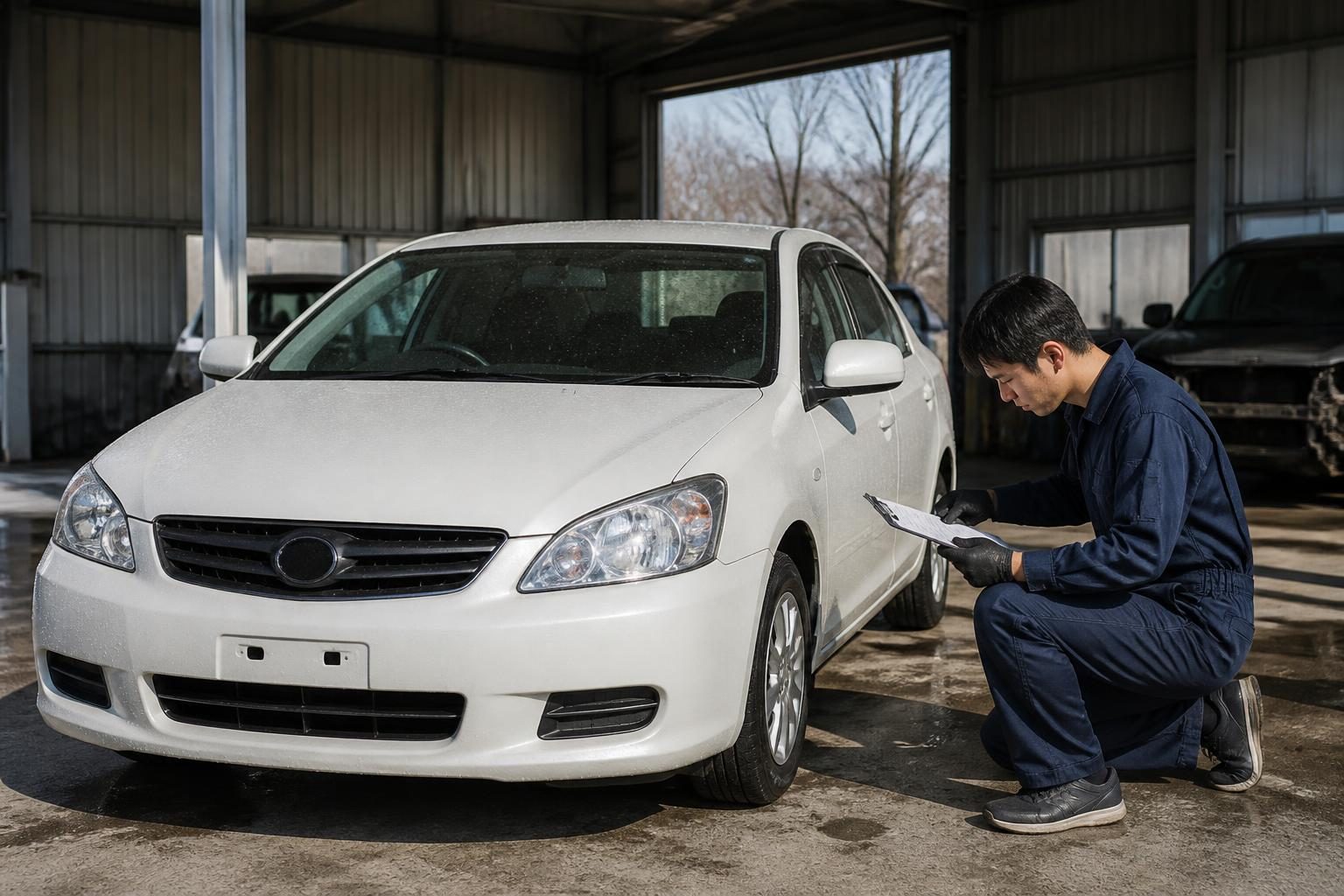
A technician checks a white sedan with a clipboard in a workshop.
The manufacture date matters more than a broad model-year label. A vehicle described as a “2016 model” still needs its exact month and date checked. A car built early in 2016 may already be at the threshold during 2026.
ZIMRA's current private-import guidance sets the 10-year manufacture-date rule for standard private imports. Because eligibility can depend on the vehicle category and any applicable exception, confirm the position with ZIMRA and the Ministry of Industry and Commerce before payment or dispatch (ZIMRA, “Importation of Motor Vehicles by Private Individuals”, 2026).
Limited exceptions may apply to qualifying inherited vehicles, immigrants, returning residents, diplomats or historic vehicles. Those exceptions are not automatic. Confirm the vehicle category, tariff heading and importer status with ZIMRA and the Ministry of Industry and Commerce before payment (ZIMRA, “Importation of Motor Vehicles by Private Individuals”, 2026).
The practical point is simple: age affects the decision twice. It can determine whether the vehicle is allowed into Zimbabwe at all, and, for passenger-type vehicles, it can also affect the later tax structure. Check vehicle specifications before comparing clearance costs.
Shipping a car from Japan to Zimbabwe
Zimbabwe is landlocked, so a Japan-sourced vehicle travels by sea to a regional port before continuing overland. RoRo shipping to Durban is followed by road transport into Zimbabwe, border processing and customs clearance (Carbarn, “How to Buy”, retrieved 27 August 2026). The published journey estimate applies to that specific service process, not every importer or route.
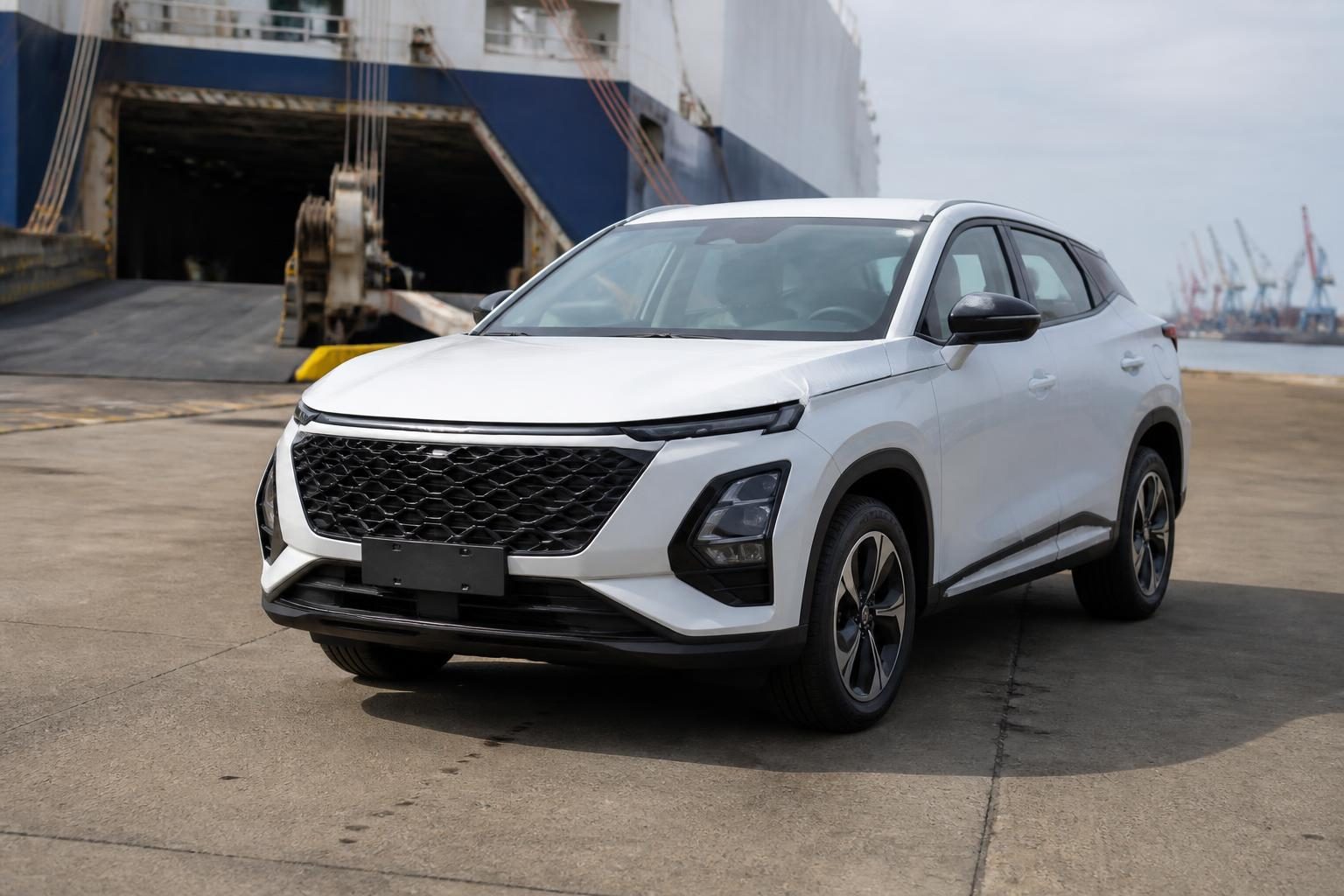
White SUV positioned beside a vehicle carrier ramp at a port.
RoRo means “roll-on, roll-off”. The vehicle is driven onto a specialised vessel, secured for the sea journey and driven off at the destination port. Durban is then followed by inland transport and border procedures.
The main stages are:
- Vehicle selection and export preparation in Japan.
- Pre-export inspection and document preparation.
- RoRo shipping to Durban.
- Port handling and overland transport into Zimbabwe.
- ZIMRA clearance.
- Local registration.
A published 24 to 34-day estimate covers the shipping and overland journey. It should not be treated as a fixed transit time or confirmed arrival date. Vessel schedules, port handling, missing documents, border congestion and customs assessment can all add time (Carbarn, “How to Buy”, retrieved 27 August 2026).
How does ZIMRA calculate the cost to clear a vehicle?
ZIMRA does not necessarily calculate charges from the overseas invoice alone. VDP is the Value for Duty Purposes, the customs valuation used as the starting point for assessment. CIF and applicable incidental charges can form part of that valuation (ZIMRA, “Calculation of Duty on Importation of Private Motor Vehicles”, retrieved 27 August 2026).
CIF means cost, insurance and freight. For planning, think of the vehicle cost, insurance and international freight first. Applicable port handling, storage and other connected charges may then affect the VDP used by customs.
VTP means Value for Tax Purposes. In ZIMRA's worked examples, VTP is VDP plus calculated customs duty. The assessment has three separate parts:
- VDP: CIF, plus qualifying incidental charges connected with transport to the relevant point of entry.
- Customs taxes: applicable duty, surtax where relevant and VAT.
- After customs assessment: clearing-agent and related handling fees, followed separately by transport after release and vehicle-registration costs.
Vehicle classification, tariff heading, engine details and condition can affect the customs assessment. Registration expenses should not be treated as part of the customs tax calculation.
ZIMRA's “Calculation of Duty on Importation of Private Motor Vehicles” guidance shows VAT calculated on VTP, which its worked examples describe as VDP plus calculated customs duty. However, its vehicle-specific guidance displays a different VAT figure from the current general guidance.
In 2026, ZIMRA's “Mechanics of VAT” page lists a standard VAT rate of 15.5%, effective from 1 January 2026. The vehicle-specific calculation page still displays 15%. The general rate has changed, but the vehicle-specific guidance appears outdated, so confirm the applicable import assessment with ZIMRA rather than treating either displayed figure as an automatic final rate.

Buyer reviews vehicle documents with keys and calculator beside an SUV.
ZIMRA may also reassess a declared value. Its “Importation of Motor Vehicles by Private Individuals” guidance says customs can consider similar vehicle values, previously accepted values and the current condition of the vehicle.
This means the invoice is evidence, not automatic proof of the final customs value. Keep the invoice, proof of payment, freight records, insurance documents, auction information and inspection reports together.
Customs valuation capsule: In 2026, ZIMRA's vehicle import guidance treats VDP as the starting point for assessment, rather than relying only on an overseas invoice. CIF, applicable incidental costs, vehicle classification and condition can all affect the final customs calculation (ZIMRA, “Importation of Motor Vehicles by Private Individuals”, retrieved 27 August 2026).
Important: Customs treatment, valuation, tax rates and import restrictions can change. Confirm the final assessment with ZIMRA or a registered clearing agent before paying or dispatching a vehicle.
The five-year surtax threshold
In 2026, ZIMRA's vehicle-duty guidance says passenger vehicles more than five years old may attract surtax treatment. The five-year threshold affects the tax structure, while the separate 10-year threshold affects whether specified vehicles can be imported at all (ZIMRA, “Calculation of Duty on Importation of Private Motor Vehicles”, 2026).
An older vehicle may have a lower overseas purchase cost but still become less attractive after clearance. A slightly newer vehicle may cost more to buy while creating a lower overall import burden.
This is why comparing purchase prices alone can mislead you. Compare the manufacture date, engine information, vehicle classification, CIF, applicable charges, estimated tax treatment and registration costs together.
Do not rely on a fixed online calculator unless its assumptions match the current ZIMRA assessment. Customs duty and surtax percentages are deliberately not reproduced here because published sources contain conflicting figures.
Which documents do you need for ZIMRA clearance?
In 2026, ZIMRA's private-import guidance requires a document pack covering the vehicle's value, identity, ownership and transport history. Form 47 is used for the customs declaration, while Form 49 is used at the receipt stage. Registration also requires customs and identity documents (ZIMRA, “Private Importations”, retrieved 27 August 2026).
Desk with forms, calculator, office supplies, keyboard and coffee.
Prepare the following where applicable:
| Stage |
Documents to keep ready |
| Purchase |
Invoice or agreement of sale, proof of payment |
| Export |
Export certificate, registration or deregistration document |
| Shipping |
Bill of lading, freight statement and insurance statement |
| Inspection |
Required CBCA/PVoC inspection and Certificate of Conformity from an approved provider, such as EAA where applicable |
| Pre-clearance |
Passport, invoice, proof of payment, freight and shipping documents, plus police clearance where applicable |
| Other checks |
Import licence or exemption documents where applicable |
| Registration |
Customs Clearance Certificate, police clearance, proof of residence, National Identity Document, Bill of Entry, Form 49 receipt and Release Order |
The exact list can vary by vehicle type, route, importer status and any legal exception. Names, vehicle details and values should match across every document. Mismatched documents may require clarification and can delay processing.
ZIMRA's guidance specifically lists the invoice or agreement of sale, police clearance, export bill of entry, registration book, freight statement and insurance statement. Inspection certificates and conformity documents should also be checked for the vehicle and route concerned (ZIMRA, “Private Importations”, retrieved 27 August 2026).
When should pre-clearance happen, and what follows customs clearance?
In 2023, ZIMRA Public Notice No. 73 stated that private vehicles transported by car carrier should be pre-cleared before dispatch to Zimbabwe. Pre-clearance is the process of submitting documents and completing import assessment before the vehicle reaches the country (ZIMRA Public Notice No. 73 of 2023, 2023).
Pre-clearance can expose missing paperwork or valuation questions earlier. It also helps you understand the payable amount before the vehicle is already moving through the regional transport chain.
Do not treat an exporter’s informal estimate as the final ZIMRA assessment. Submit the proper documents and confirm the position with ZIMRA or a registered clearing agent.
What if you are buying an imported car already in Zimbabwe?
In 2026, ZIMRA Public Notice No. 35 of 2026 asked buyers to verify customs clearance details before paying for a used imported vehicle. This is a local purchase check, not the same as pre-clearance for a vehicle shipped directly from Japan.
Ask for the agreement of sale, registration book, buyer and seller identification, vehicle photographs and customs clearance documents where available. Check that the documents match the vehicle.
After customs release, clearance and registration remain separate steps. Keep the Customs Clearance Certificate, Bill of Entry, Form 49 receipt and Release Order. ZIMRA's Private Importations guidance also lists police clearance, proof of residence and a National Identity Document for local registration.
How does Carbarn support the import journey?
Carbarn's Zimbabwe import service lists Japanese vehicles prepared for import to Zimbabwe, and owns the vehicles it lists rather than acting as a broker. Buyers receive two reports before payment: the official Japanese auction sheet and an in-house inspection report with photographs and defect comments.
The listed price includes the vehicle, shipping and the inspection service specified on the vehicle quote. Confirm whether the quote includes a JEVIC inspection, an EAA Certificate of Conformity, or another certificate from a government-enlisted CBCA provider. Duty, VAT and Zimbabwe customs clearance costs are separate. The route uses RoRo shipping to Durban, followed by overland transport into Zimbabwe (Carbarn, “How to Buy”, retrieved 27 August 2026).
The buyer dashboard provides access to invoices, inspection sheets, certificates, the bill of lading and vessel information. Read the Carbarn buying process and Zimbabwe's import rules before committing to a vehicle.
What should you check before paying or dispatching a vehicle?
Before paying, confirm the exact manufacture date, vehicle classification and importer category. Then check that the auction sheet, invoice, export documents, inspection records and shipping details all describe the same vehicle. These checks reduce the risk of an eligibility or document problem later.
Use this planning checklist:
- Confirm the manufacture date against the 10-year eligibility rule.
- Check whether the vehicle is affected by the five-year surtax threshold.
- Confirm the importer category and whether an import licence or exemption document applies.
- Match the chassis or vehicle identity across the invoice, export documents, inspection report and shipping records.
- Request the CIF assumptions and understand how VDP will be assessed.
- Budget separately for:
- vehicle purchase cost;
- insurance and freight;
- port and inland transport charges;
- customs assessment;
- VAT and any applicable surtax;
- clearing-agent fees;
- registration costs.
- Check the required inspection documents, including PVoC or CBCA requirements and the EAA Certificate of Conformity where applicable.
- Arrange pre-clearance before dispatch where the current ZIMRA notice requires it.
- Keep the Customs Clearance Certificate, Bill of Entry, Form 49 receipt and Release Order for registration.
This is a planning structure, not a quote. Review Zimbabwe's vehicle import rules, inspect the vehicle's estimated landed-cost information and read the buying process. You can then browse vehicles considered for Zimbabwe import with a clearer understanding of the next steps.
Customs treatment, valuation, tax rates and import restrictions can change. Confirm the final assessment with ZIMRA or a registered clearing agent before paying for or dispatching a vehicle.