Finding an attractive Japanese car is easy. Finding one that can legally enter Zimbabwe, clear customs and still make financial sense takes more care.
JDM means Japanese domestic market, but the label alone does not make a vehicle eligible. The manufacture date, vehicle category, paperwork and final landed cost all matter. This guide explains how to screen a car before payment, prepare for the Japan-to-Durban route and avoid common clearance problems.
[INTERNAL-LINK: Zimbabwe’s vehicle import rules → the main guide to age limits, customs and import requirements]
Quick Answer
- Under SI 59 of 2026, standard private imports of vehicles aged 10 years or more from manufacture are generally prohibited for the listed vehicle categories.
- A 2016 vehicle needs an exact build-date check. A 2017-built vehicle is a more practical starting point, but it still needs verification.
- VAT, customs assessment, clearance and registration costs sit separately from the vehicle purchase and shipping.
- The route discussed here is Japan to Durban by RoRo, followed by overland transport into Zimbabwe.
- The safest JDM has clear age evidence, matching documents, inspection records and a realistic landed-cost estimate.
What does Zimbabwe’s 10-year vehicle rule mean?
Statutory Instrument 59 of 2026 is the current vehicle-import control instrument. For vehicles covered by its listed tariff headings, including passenger vehicles and several light-commercial categories, vehicles aged 10 years or more from manufacture are generally prohibited for standard private import. ZIMRA’s Importation of Motor Vehicles by Private Individuals guidance also confirms that the relevant age is measured from the manufacture date, not simply the registration year or advertised model year. Read the current instrument before committing funds: SI 59 of 2026.
A vehicle can be manufactured in one year, registered in another and imported later. Those dates are not interchangeable. Always ask for the Japanese export documentation or another official record showing the month and year of manufacture.
Using 2 September 2026 as a rough screening date, a vehicle manufactured on or before 2 September 2016 is close to or beyond the 10-year point. That arithmetic is not the complete legal test: the applicable rule may assess whether the vehicle remains below 10 years when ZIMRA clearance is completed. Shipping and clearance can therefore affect eligibility. A 2017-built vehicle gives you a more practical starting point, although the exact build date and expected clearance timing still need checking.
| Rough manufacture-date screen using 2 September 2026 |
Practical screening view, subject to clearance timing and the current instrument |
| On or before 2 September 2016 |
Generally outside the normal private-import window |
| Later in 2016 |
Close to the threshold, verify before payment |
| Built in 2017 |
More practical starting point, subject to exact-date checks |
| 2018 or newer |
Greater age margin during shipping and clearance |
This is an editorial screening tool, not legal approval. Vehicle details linked in the examples were checked on 2 September 2026, but live listings and documents can change. In 2024, ZIMRA Public Notice 84 of 2024 identified limited exceptions for categories such as qualifying returning residents, inherited vehicles and classic or historic vehicles. These are special routes, not normal private-import options.
A normal prohibited vehicle cannot simply be made eligible by obtaining an import licence. Any licensing route is limited to qualifying categories, such as certain antique, classic, vintage or historic vehicles, and must be confirmed with the relevant authorities. Do not assume a commercial label avoids the rule: SI 59 of 2026 includes several light-commercial categories, including some vehicles under heading 8704 with a gross vehicle weight not exceeding five tonnes. Confirm the exact tariff classification before payment.
How should you screen a JDM before choosing a model?
Screen the vehicle for age, classification, documents and condition before comparing colour or trim. In 2026, ZIMRA’s private-import guidance makes the manufacture date and declared vehicle details central to the import process. A cheap vehicle that cannot clear customs is not a practical bargain.
Use this order:
- Confirm the manufacture date. Check official export records, not only the advert headline.
- Confirm the classification. Identify whether it is a passenger car, hybrid hatchback, SUV, people-mover or commercial van.
- Check steering position. Zimbabwe drives on the left, and the Japanese vehicles described here are right-hand drive.
- Read the condition records. Compare the auction sheet with the separate inspection report.
- Estimate ownership costs. Consider fuel type, service needs, tyres, parts and likely driving conditions.
The right question is not “Which JDM is cheapest?” It is “Which eligible vehicle gives me the clearest path from purchase to registration?” That change in order prevents model preference from hiding an age, document or valuation problem.
Toyota Aqua: compact hybrid screening example
The 2017 Toyota Aqua is a useful compact-hybrid example for Harare commuting. Its NHP10 model code, five-door body and five-seat layout suit buyers who want a small car for stop-start urban driving. The listing records 26,000 kilometres and auction grade 3.5, so the condition evidence deserves close attention. Treat “2017” as the listing year until the Japanese export record confirms the exact manufacture date.
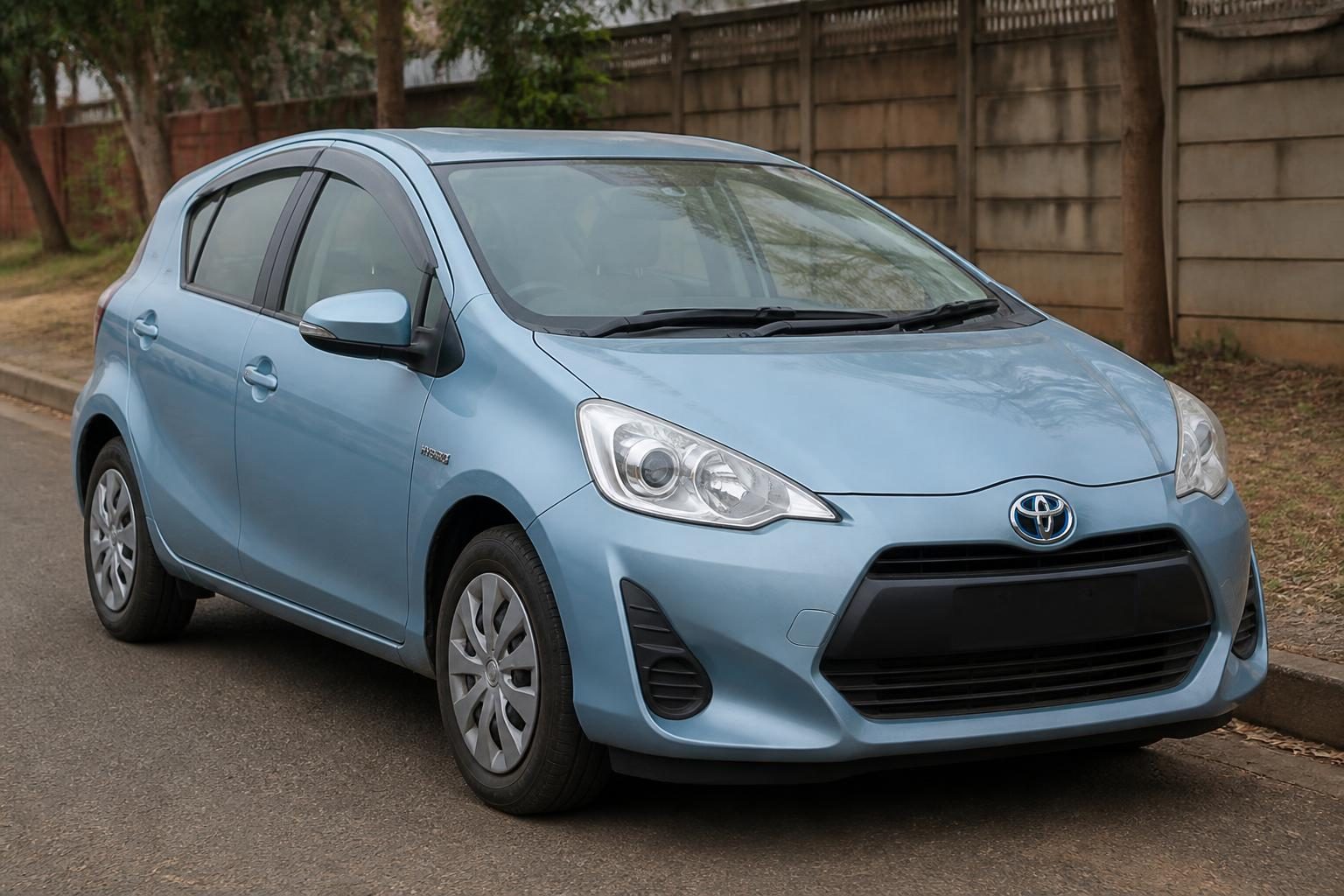 2017 Toyota Aqua
The key specification is its hybrid powertrain and automatic transmission. Before payment, ask for available hybrid battery information, diagnostic evidence, cooling-system checks and service records. Do not assume that a hybrid is automatically cheaper or riskier. The reports should show what this particular car needs.
Mazda Demio: small petrol hatchback example
The 2017 Mazda Demio illustrates the straightforward petrol-hatchback option. Its DJ3FS model code, five-seat hatchback body and 94,000-kilometre reading make it relevant to buyers comparing a conventional petrol car with a hybrid. The auction grade is recorded as 4. Confirm the exact manufacture date from Japanese export documentation rather than relying on the 2017 listing label.
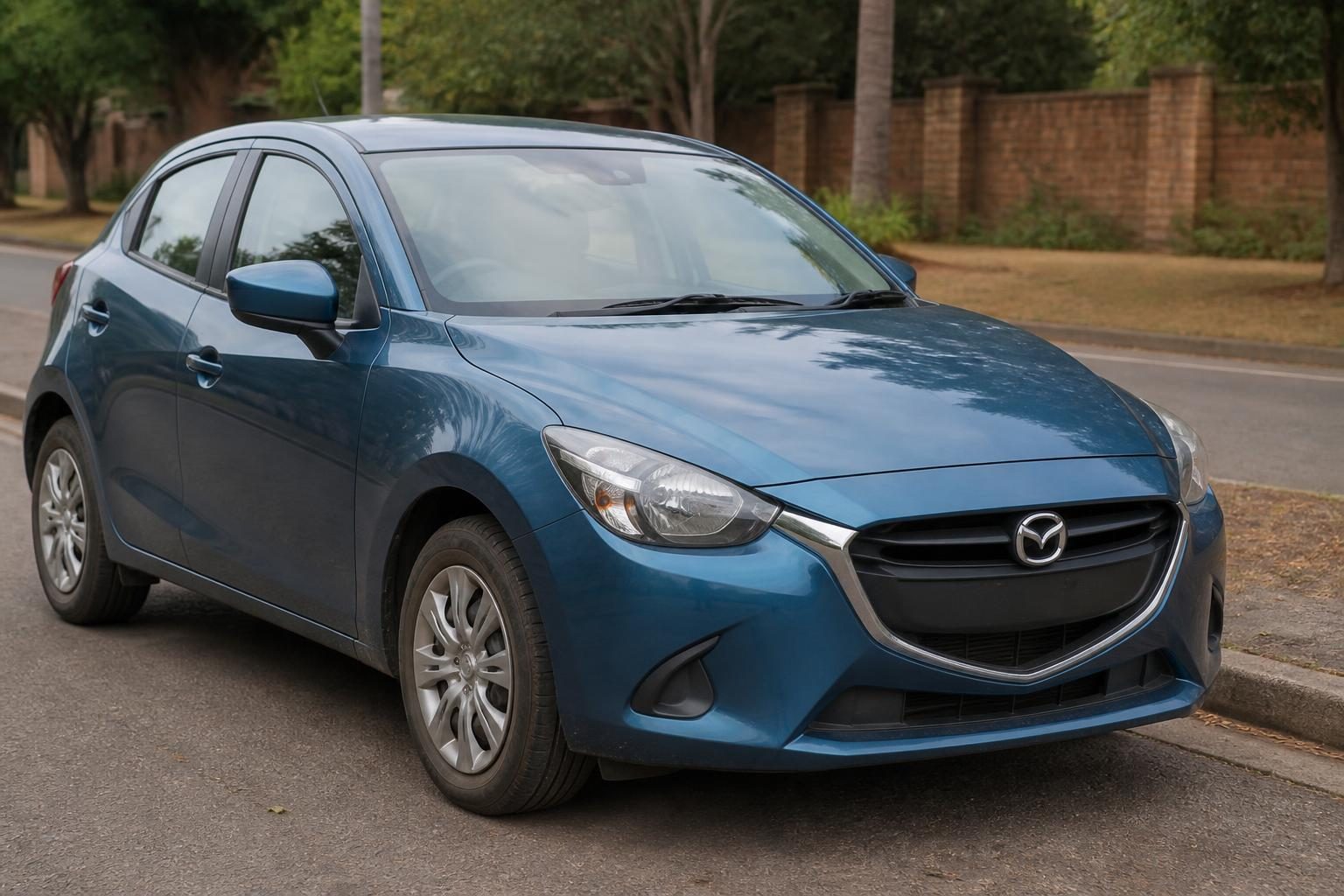 2017 Mazda Demio
Check the manufacture date first, then review the auction comments, transmission, engine condition, tyres and suspension. The petrol engine may appeal to buyers who prefer familiar servicing, but parts support and maintenance history still matter more than the badge.
Honda Vezel: compact SUV example
The 2017 Honda Vezel shows how a compact SUV changes the screening exercise. Its RU3 model code, hybrid powertrain and five-seat SUV body offer more ground clearance and a higher driving position than a small hatchback. The listing records 79,000 kilometres and auction grade 4. Request exact manufacture-date evidence before treating the 2017 listing label as proof of eligibility.
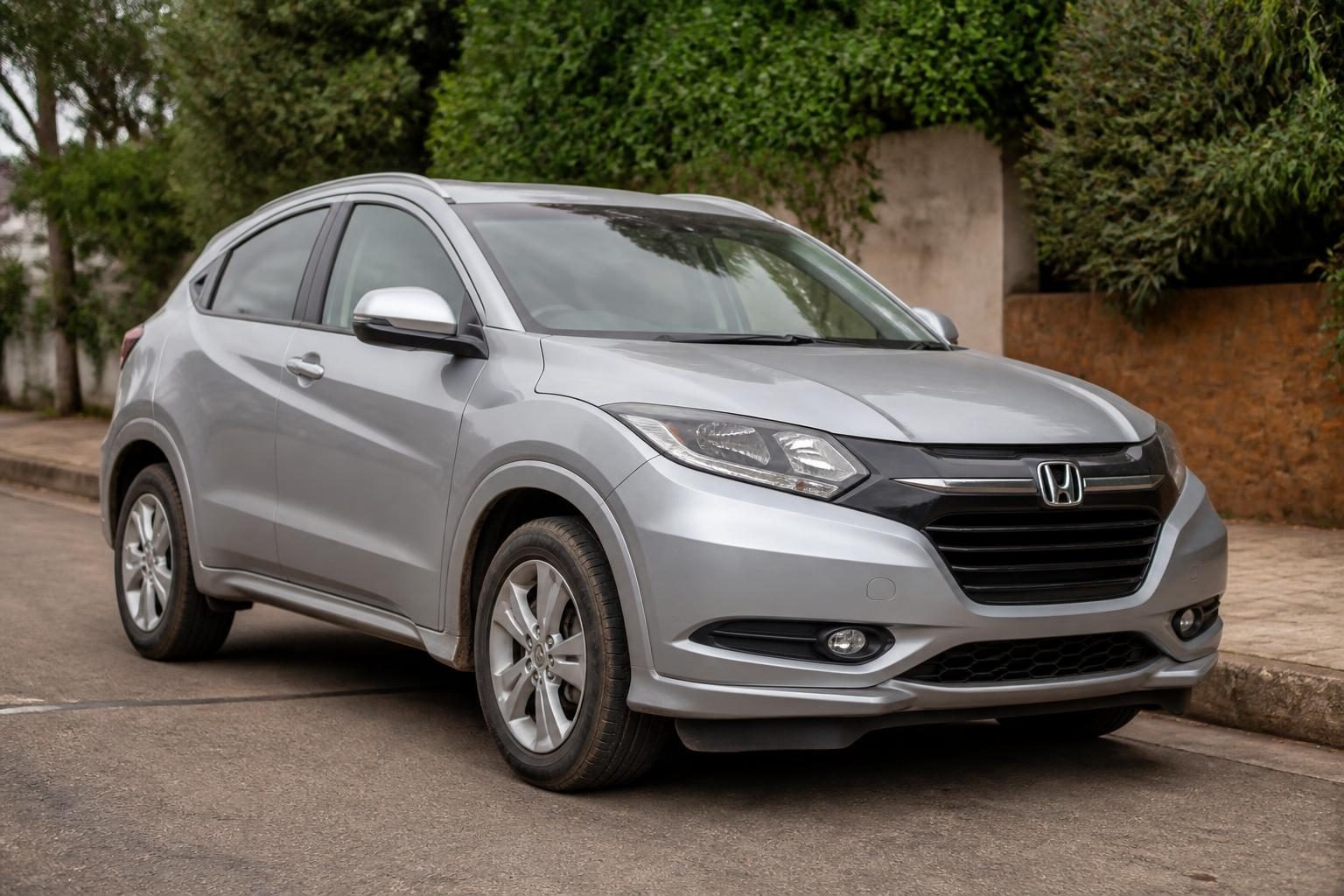 2017 Honda Vezel
Check the hybrid or drivetrain variant, tyres, suspension, underbody condition and service records. An SUV can be a strong fit for family use and mixed roads, but its larger size and equipment can affect the landed-cost calculation.
Toyota HiAce: commercial-vehicle classification example
The 2021 Toyota HiAce demonstrates why commercial classification must be confirmed separately. This GDH206V van uses diesel fuel, has three seats and records 117,000 kilometres with auction grade 3.5. The listing calls it a 2021 Toyota HiAce, which appears to provide more age margin than the 2017 examples. Treat that label as a screening clue, not proof of the exact manufacture date: request the Japanese export record or other build-date evidence before relying on it for eligibility.
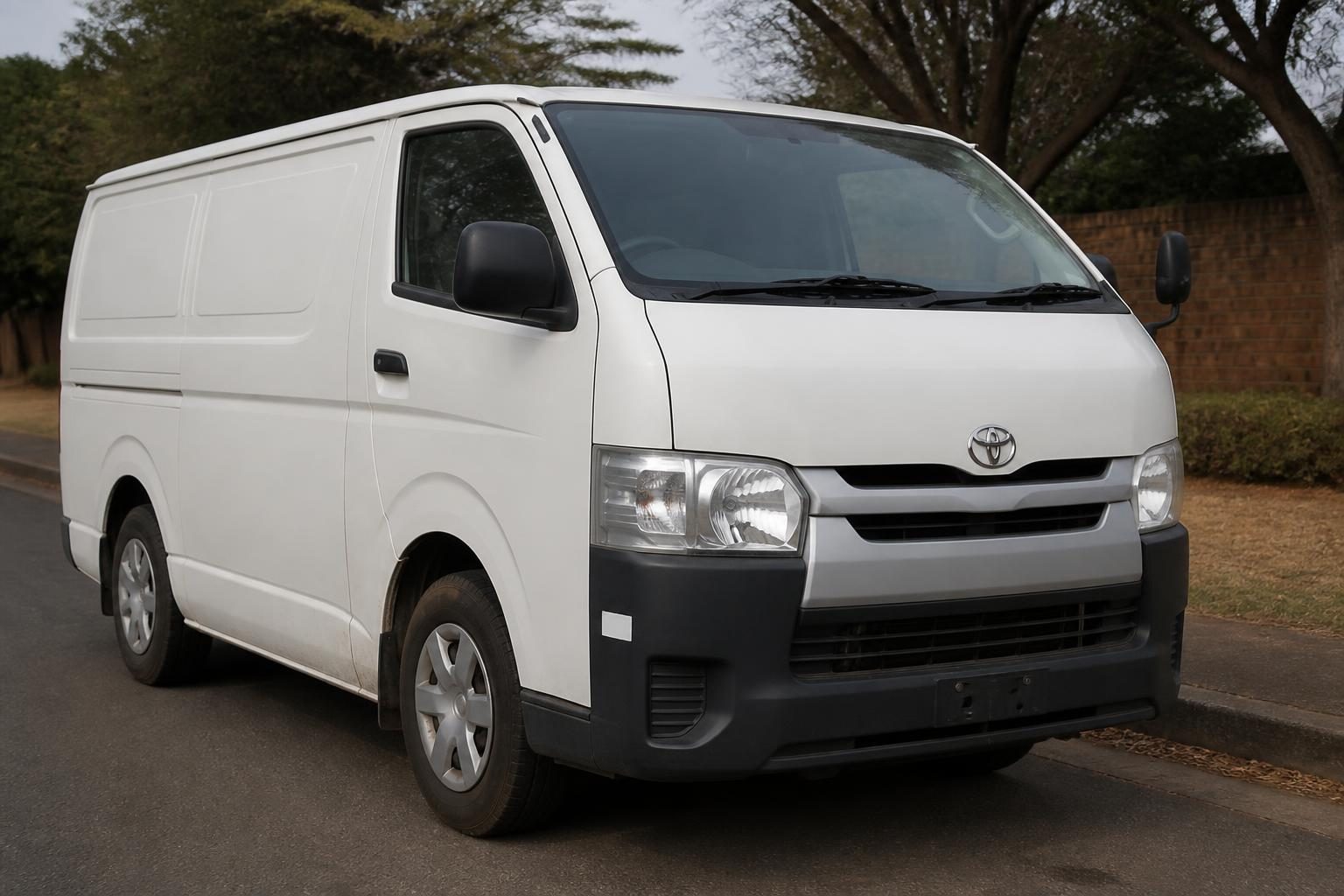 2021 Toyota HiAce
Confirm the vehicle’s purpose, seating or payload, engine records and customs classification before ordering. A commercial label does not automatically create an exemption. SI 59 of 2026 covers several light-commercial categories, including some vehicles under heading 8704 with a gross vehicle weight not exceeding five tonnes, so confirm the exact tariff classification and applicable treatment in writing.
Taxes and charges to budget for
The advertised vehicle value is not automatically the landed or road-ready total. In 2026, ZIMRA’s Customs Clearance Procedures explains that customs calculations use the Cost, Insurance and Freight value, together with qualifying charges and the applicable valuation rules.
Keep these cost layers separate:
- Vehicle purchase value
- Freight and insurance
- Port and transport charges
- CIF, meaning cost, insurance and freight
- VDP, or Value for Duty Purposes, which is a valuation base derived from CIF and qualifying charges, not a separate tax
- Customs duty
- Any applicable age-related surtax
- VAT, calculated using the current ZIMRA method and rate
- Customs clearance
- Registration-related costs
ZIMRA’s current Mechanics of VAT page lists the standard VAT rate as 15.5% in 2026. Some older vehicle-specific pages still show 15%, so confirm the rate applying to your assessment with ZIMRA or a registered clearing agent before payment. Any linked landed-cost estimate should be treated as indicative until its VAT rate, VDP basis and treatment of duty and surtax have been checked against the current ZIMRA method.
Vehicles older than five years may attract surtax treatment. The rate can change or depend on the applicable classification, so avoid fixed online calculators that use unverified assumptions. ZIMRA can also reassess a declared value when it does not reflect a bona-fide open-market value, as stated in its private-import guidance.
A slightly newer vehicle can sometimes be better value overall. Paying more for age margin may reduce the risk of crossing the 10-year rule or attracting heavier age-related charges during the import process.
How does a JDM travel from Japan to Zimbabwe?
Zimbabwe is landlocked, so the route described by the relevant service pages runs from Japan to Durban by RoRo, followed by overland transport into Zimbabwe. The Japan-to-Zimbabwe buying process gives an estimated journey of about 24 to 34 days in 2026, not a guaranteed delivery date.
The typical sequence is:
- Select a vehicle that passes the age and classification checks.
- Review the auction sheet and inspection report.
- Confirm the order and payment documentation.
- Complete the applicable pre-shipment inspection and certification.
- Load the vehicle onto a RoRo vessel.
- Ship to Durban, South Africa.
- Move the vehicle overland into Zimbabwe.
- Complete customs clearance and registration steps.
Vessel schedules, port handling, documentation, customs processing and inland transport can affect the timing. Other exporters may use different routes, so treat Japan to Durban as provider-specific information.
Which documents do you need for clearance?
Clearance depends on matching vehicle, ownership, shipping and identity documents. In 2026, ZIMRA’s Importation of Motor Vehicles by Private Individuals guidance lists the invoice, export bill of entry, registration book, freight statement, insurance statement and police clearance where applicable.
Prepare documents in four groups:
| Stage |
Documents to check |
| Purchase |
Invoice or sale agreement, proforma invoice and proof of payment |
| Export |
Japanese export certificate, registration or deregistration record, export bill of entry |
| Shipping |
Bill of lading, freight statement, road manifest and insurance statement |
| Clearance |
Passport or residence documents, inspection certificate, conformity certificate and any required import licence |
An auction sheet is the Japanese auction’s condition record. An inspection report adds another review of the body, interior, tyres and mechanical condition. A pre-shipment certificate confirms the required inspection before export. For used vehicles entering Zimbabwe, check the applicable EAA Certificate of Conformity requirement and any transition or exemption rule before shipment; do not treat a general pre-shipment inspection label as a substitute for conformity certification.
ZIMRA Public Notice 73 of 2023 advised that private vehicles transported by carrier should be pre-cleared before dispatch. In 2026, Public Notice 35 of 2026 urged buyers to verify customs-clearance details before paying for an imported vehicle.
What is the safest way to choose a JDM for Zimbabwe?
Choose the vehicle with the strongest compliance margin and clearest paperwork, not simply the lowest purchase value. In 2026, SI 59 of 2026 applies the current private-import controls, including the 10-year manufacture-age rule for listed categories. The examples above are listing years spanning 2017 to 2021, not conclusive proof of exact build dates.
| Buyer priority |
Suitable category |
First checks |
| Harare commuting |
Small hatchback or compact hybrid |
Build date, transmission and condition |
| Stop-start city driving |
Hybrid hatchback |
Battery information and diagnostics |
| Family use |
Compact SUV or people-mover |
Seating, tyres, suspension and fuel needs |
| Highway travel |
Newer sedan, wagon or SUV |
Cooling system and service records |
| Business transport |
Commercial van |
Classification, payload and customs treatment |
| Lower compliance risk |
Newer eligible vehicle |
Age margin and complete documents |
The safest JDM is the one that passes five checks in order: manufacture date, classification, documents, landed cost and buyer fit. Popularity comes last. A popular model with weak paperwork is still a poor import choice.
What should a transparent Japan-to-Zimbabwe buying service provide?
A transparent process should give buyers two condition records before payment and a clear route through Durban. In 2026, the relevant buying guide describes two reports, pre-shipment certification, dashboard tracking and an estimated 24 to 34-day journey.
Carbarn owns the listed vehicles rather than acting as a broker, provides the official Japanese auction sheet and in-house inspection report before payment, describes inspection and conformity documentation for Zimbabwe-bound vehicles. Because Carbarn pages use both EAA and JEVIC wording, confirm from the final proforma invoice whether any JEVIC inspection is additional and ensure the required EAA Certificate of Conformity is covered. The listed amount includes the vehicle, shipping and the named inspection, but duty, VAT and customs clearance remain separate. Duty, VAT and customs clearance remain separate. Full upfront payment is required. The dashboard provides invoices, inspection sheets, the bill of lading, certificates and vessel tracking. The route is Japan to Durban, then overland into Zimbabwe. Carbarn does not offer a local showroom or test drive, and it does not provide a warranty or financing.
Buyer-fit summary
- Harare commuting: Consider a compact hatchback or hybrid after checking condition, battery information and age.
- Family use: A compact SUV or people-mover may offer useful space, but inspect tyres and suspension.
- Long highway runs: Favour a newer vehicle with strong service and cooling-system records.
- Business transport: Confirm commercial classification and customs treatment before payment.
- Lower compliance risk: Choose a vehicle with more age margin and complete documents.
The best JDM to import into Zimbabwe is not necessarily the cheapest vehicle in Japan. Start with the manufacture date, then confirm classification, documents, landed cost and suitability for your daily use.